
Parametric design, Berlin
Scientific work, wintersemester 19/20
A utopia as an answer to the challenges of today's urban planning.
The task of our time is to develop new, sustainable and above all space-saving solutions for the coexistence of man with his environment in the city.
Urban spaces have always been a driver of interests, exchanges, innovations, hopes and conflicts. The increasing urbanization of the world offers humanity a multitude of opportunities, but also poses challenges.
Where do we go from here? Are there any new big ideas? One that can replace the ideal of the "car-friendly city" and promote a dense city?
In an academic paper, I looked at data-based parametric urban planning and how the city might be treated in the future. In doing so, I considered the challenges of today's urban planning and analyzed various urban utopias of the past decades with regard to their topicality.
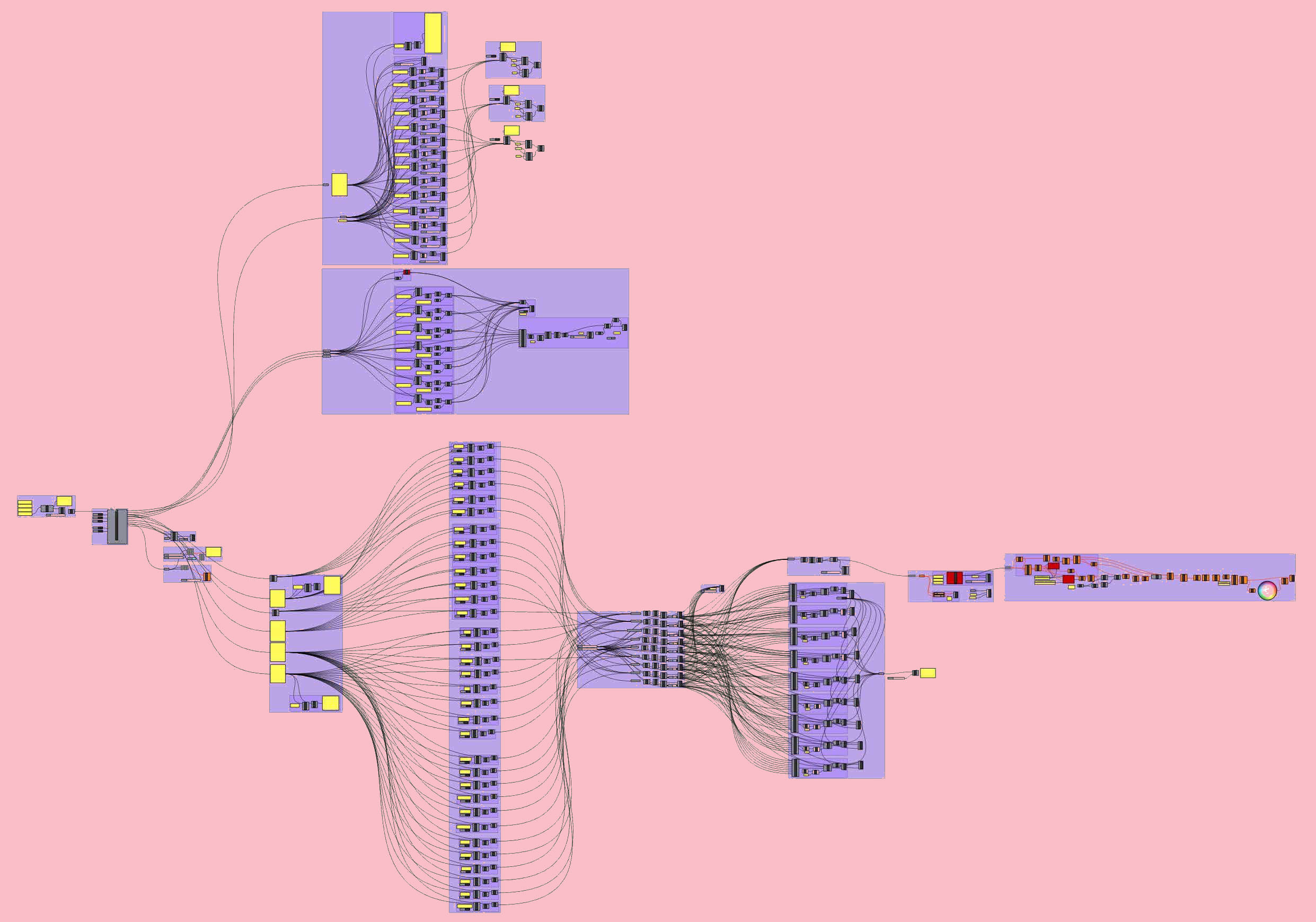
In a separate application example, the possibilities of parametric urban planning with the help of Open Street Map data are discussed, partly experimentally.
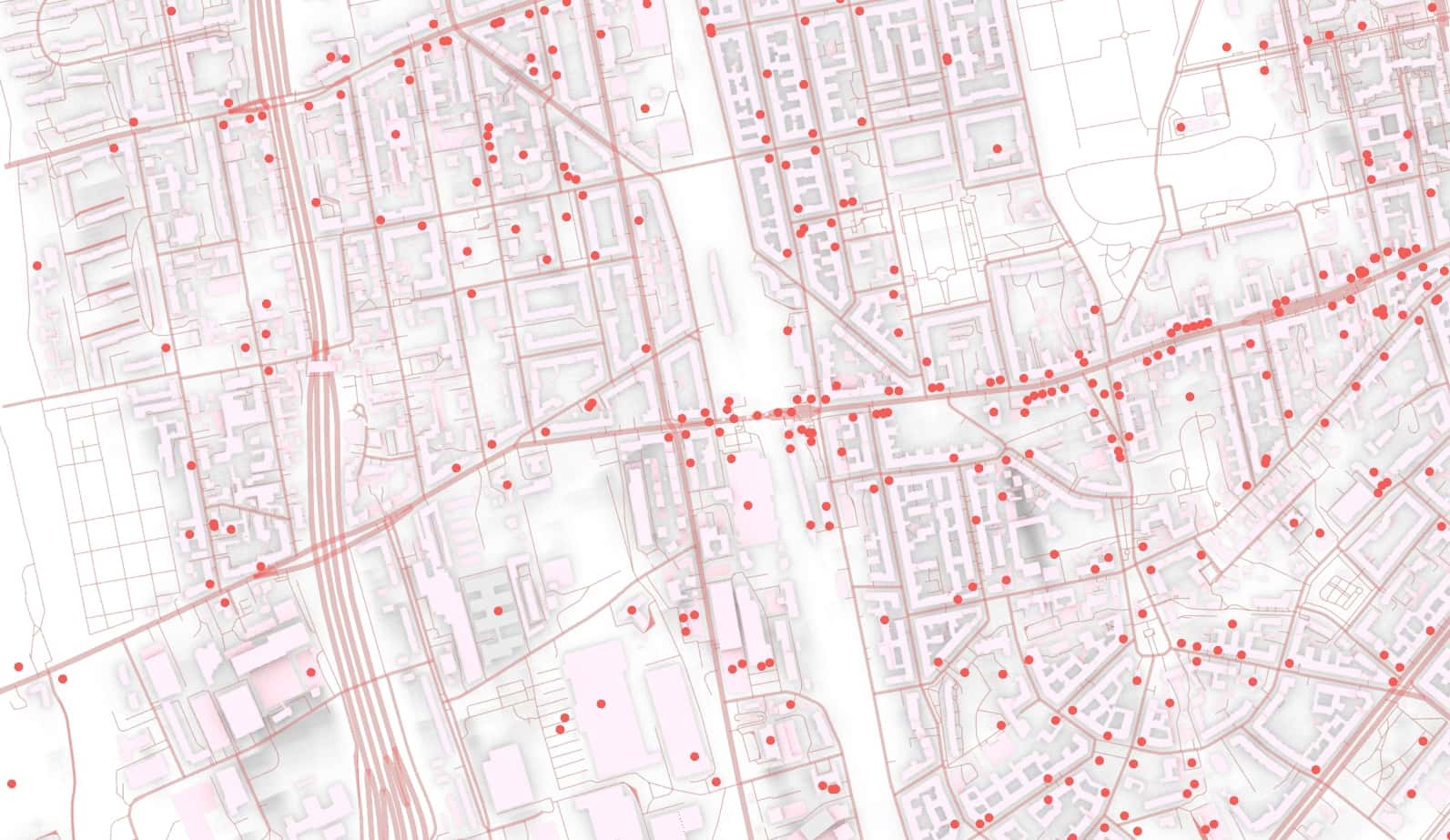
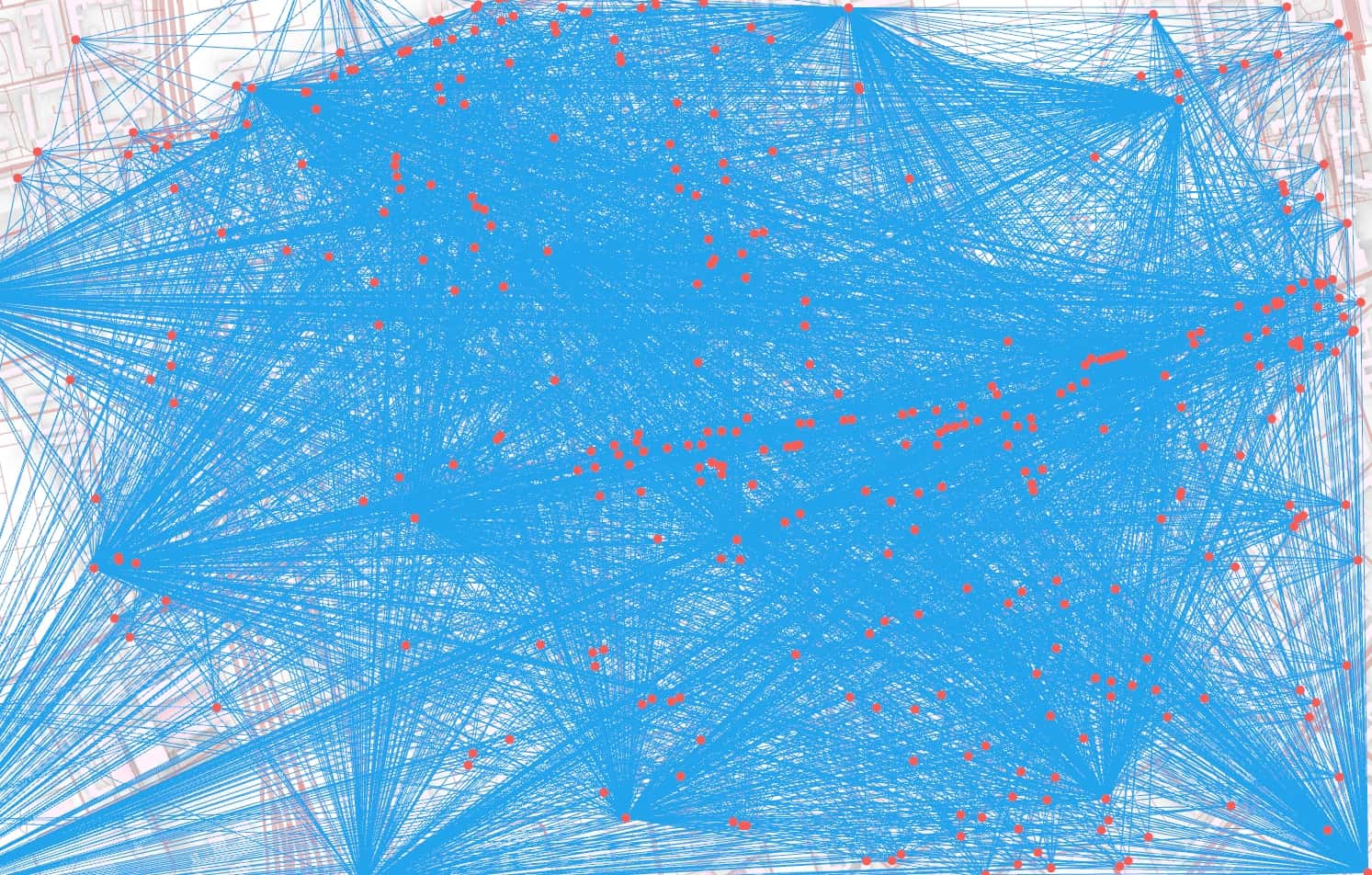
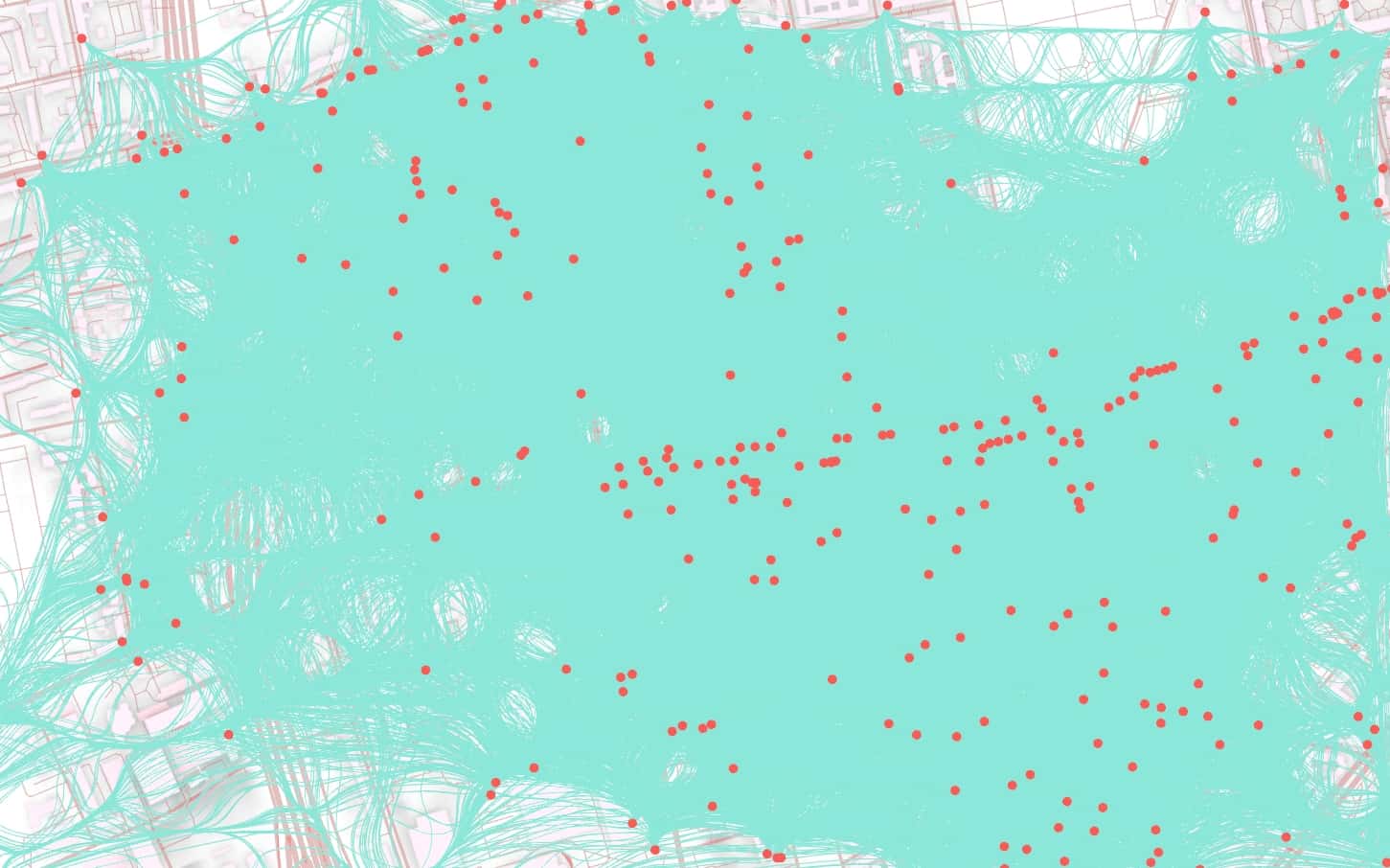
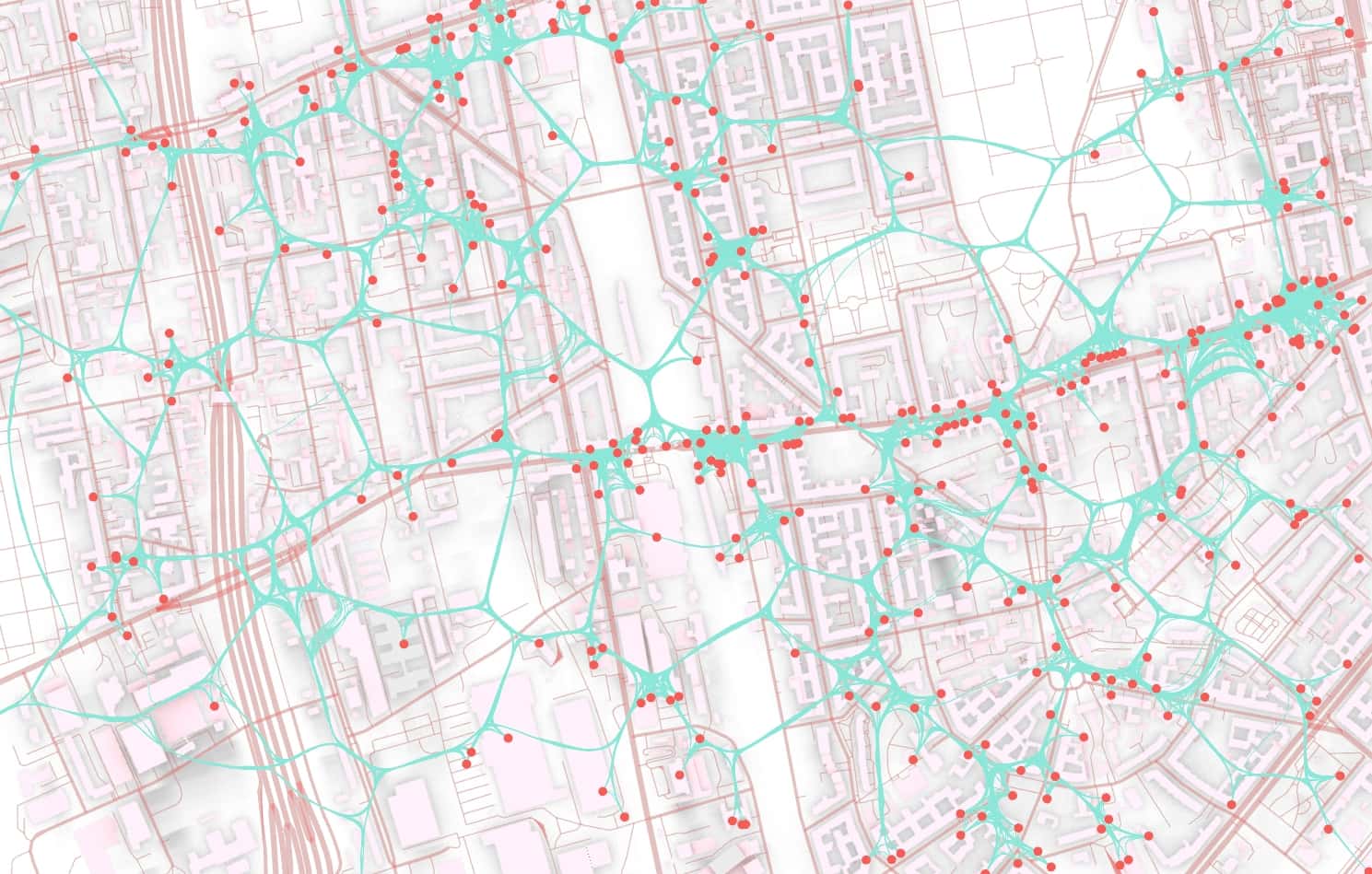
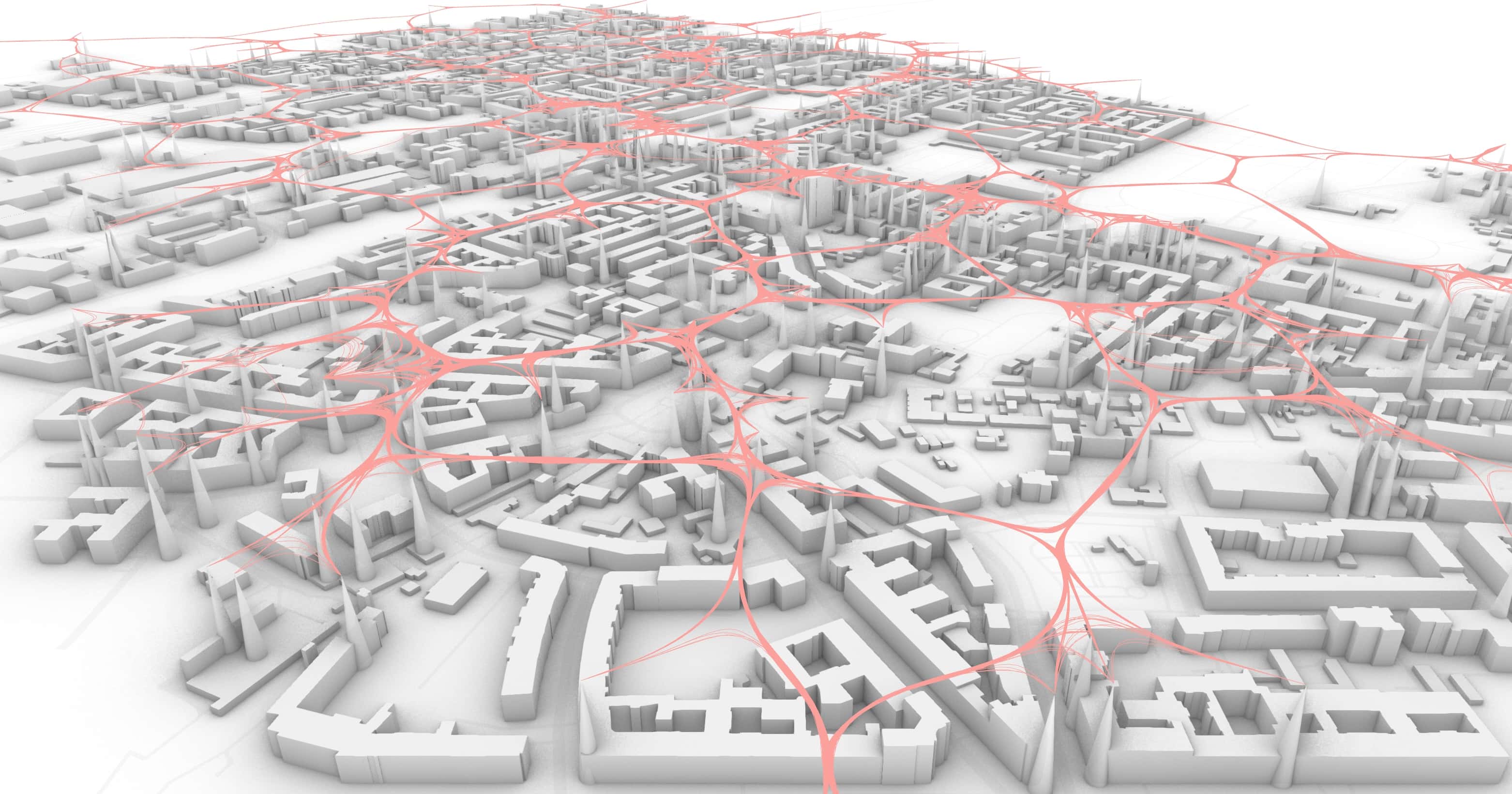
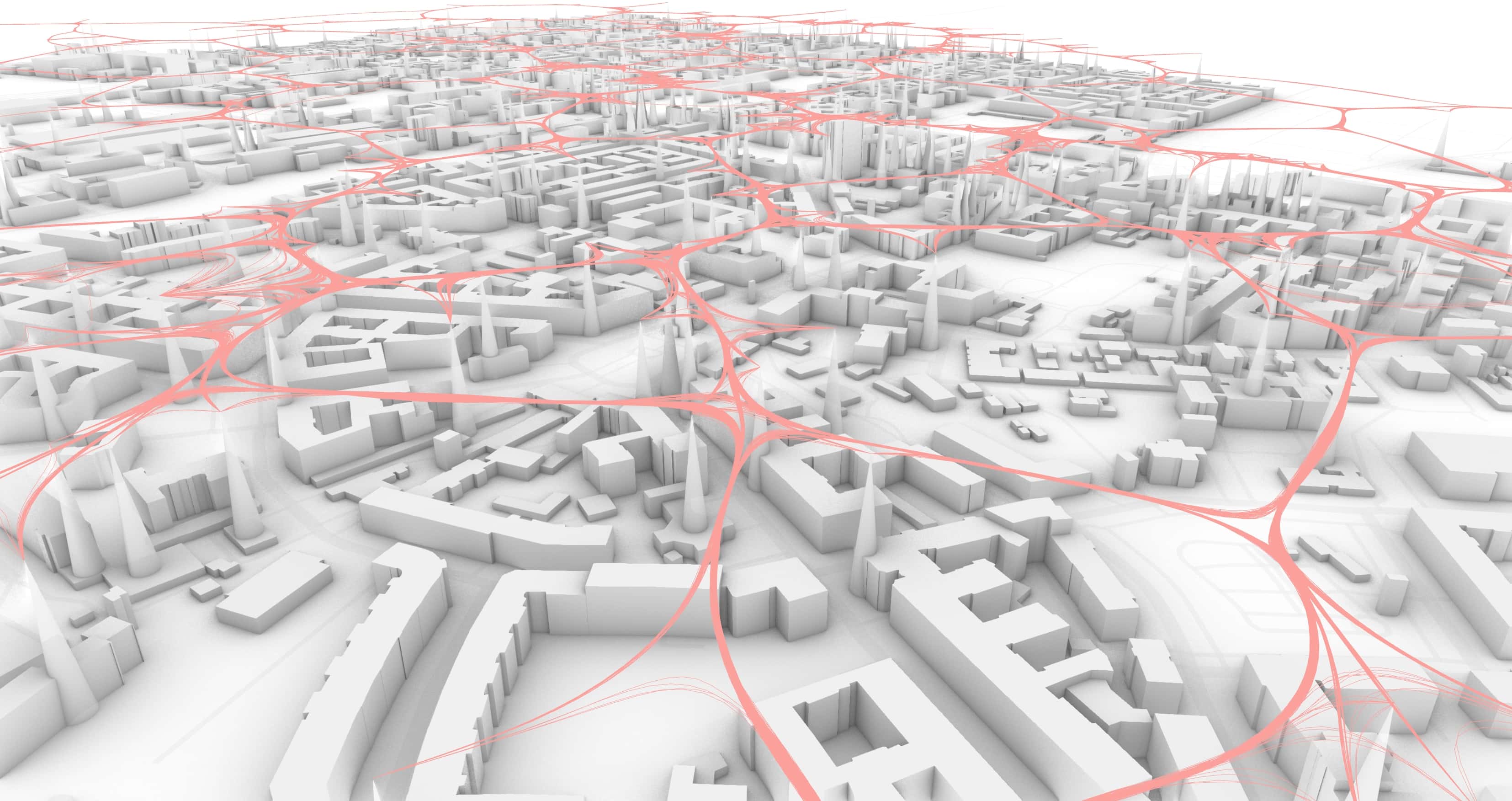
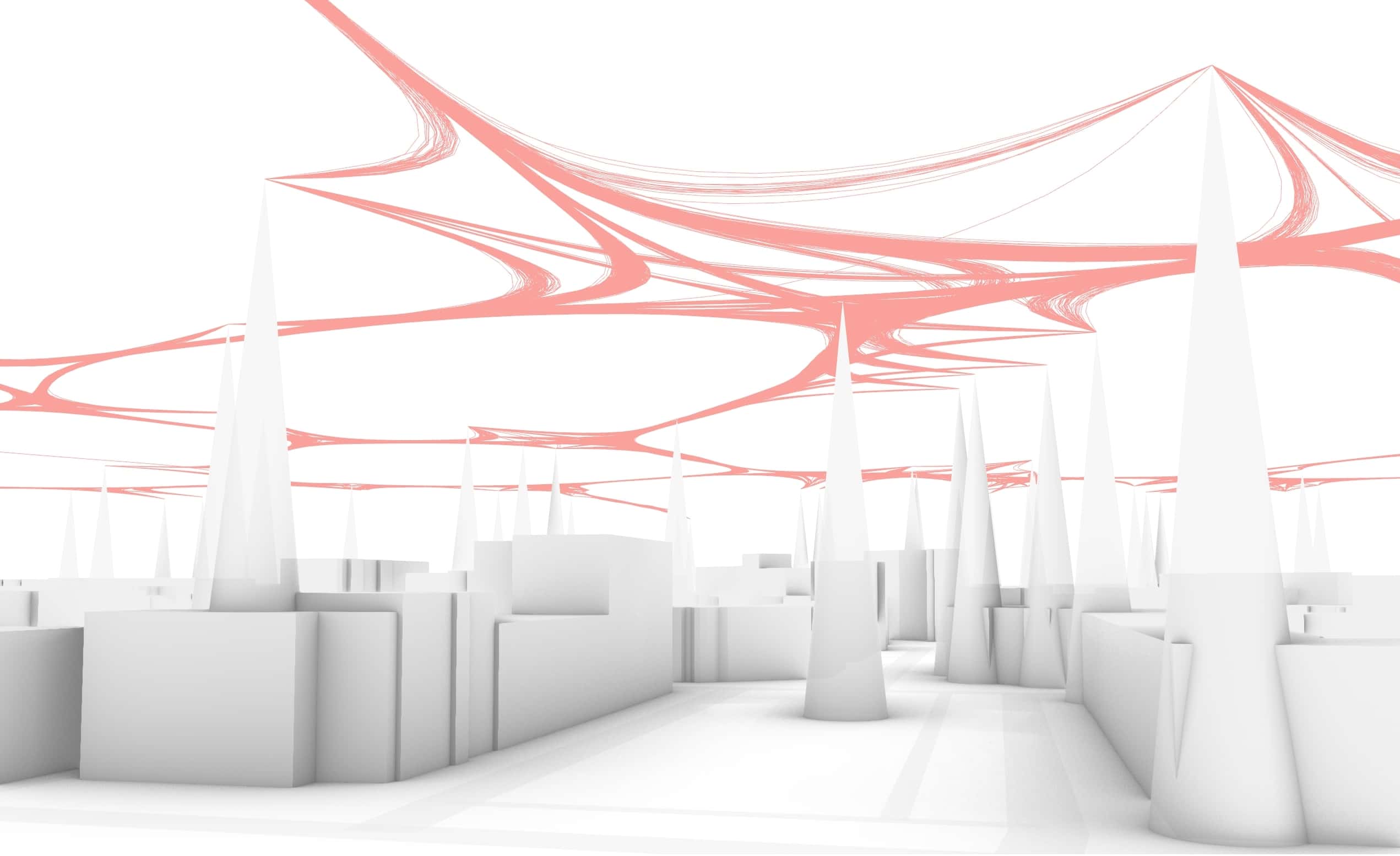
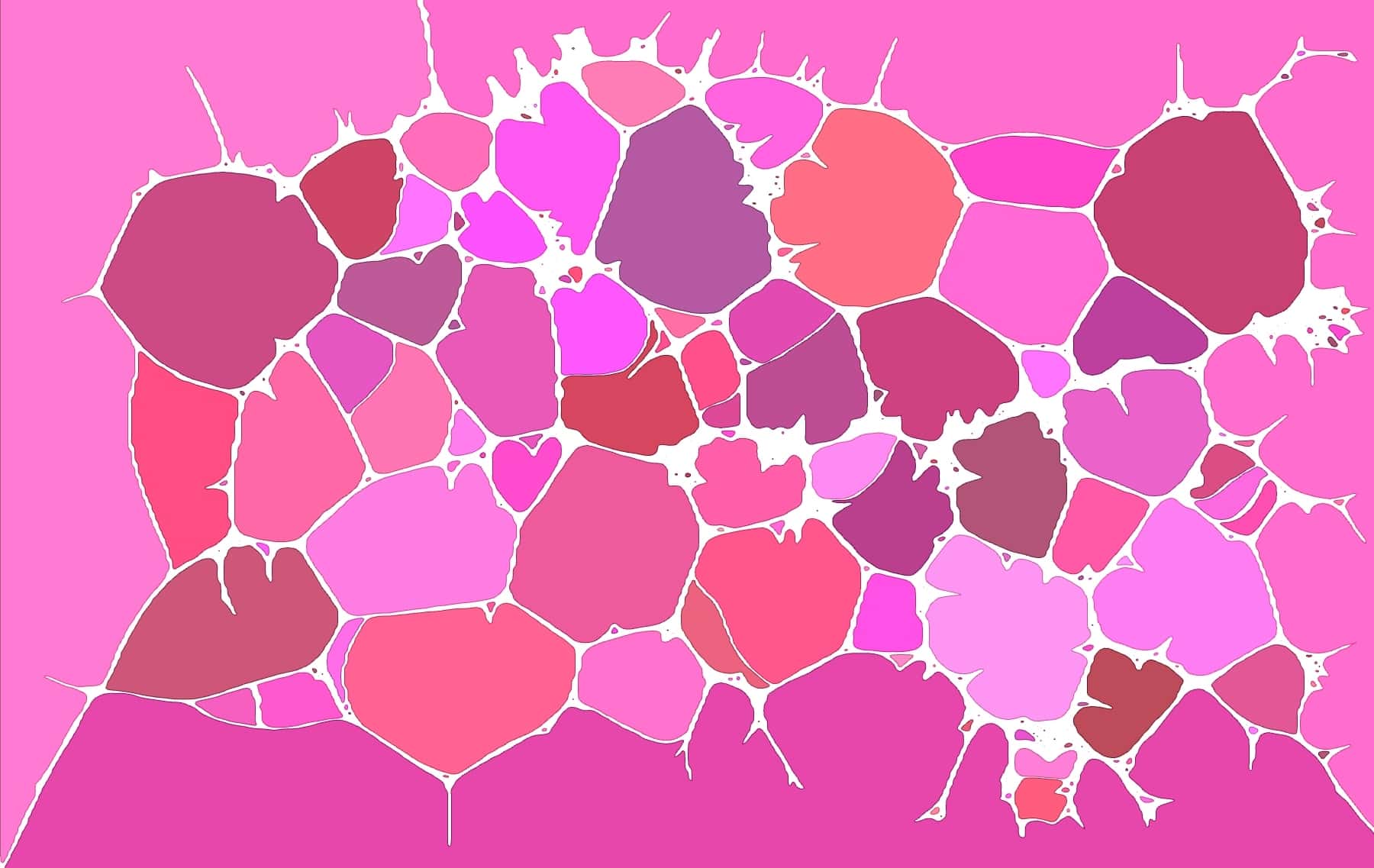
In my utopia "Raumstadt 2.0" I have taken up various utopias of the 60s and 70s and combined them with the concept of the dense city.
The proposal of a three-dimensional spatial superstructure allows the accommodation of a lot of living, living and working space while requiring very little land. As a response to the return to a pedestrian-friendly and green city, the design reinvents the city's public space. Some of the currently sealed areas, such as streets, can be transformed into new green spaces. Moving together in the city creates more living space and avoids redlining. Sensibly laid and efficient traffic routes and new social spaces promote interaction and togetherness among the population. The spatial network acts as a catalyst on the social urban space, existing urban attractors are strengthened. The short path relationships and dense linkages of amenities help build an urban structure based on the city of short distances. By growing upwards, valuable green space can be preserved and further expansion of the city into the surrounding countryside is avoided.
The model of a new and qualitative network of paths above the existing urban structure is intended to provide inspiration for the expansion and reconstruction or further development of our current cities.